
Kiremba, Burundi: Orphanage

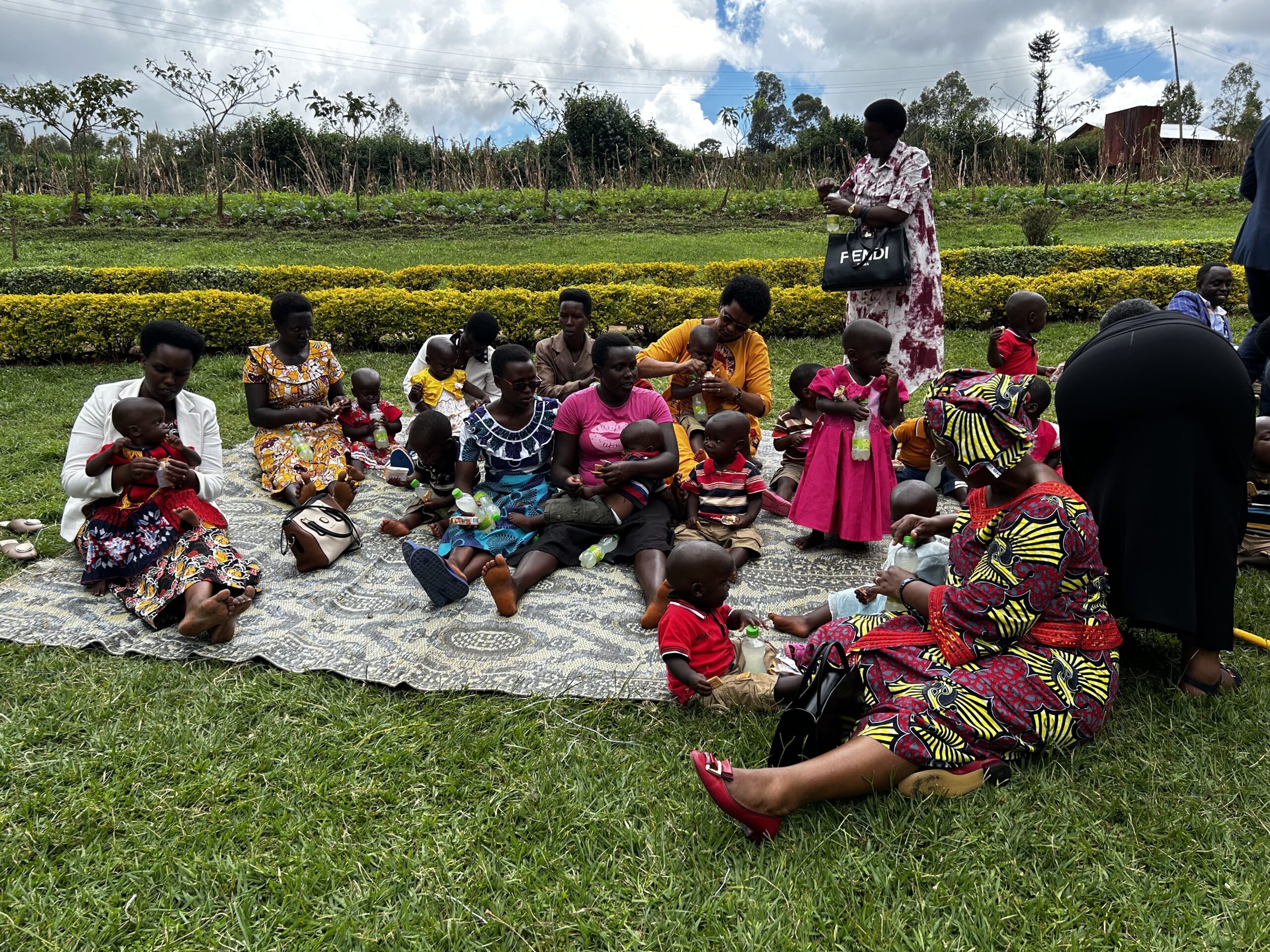
While it may not appear that way when you first hear of their story, these are very fortunate babies. These babies are the children of mothers who died as a result of giving them birth.
Approximately 400 women of every 100,000 pregnancies will die as a result of giving birth to their child. This maternal mortality rate has improved substantially from nearly 800 deaths ten years ago but is still 20-40 times higher than that of the western world.
Many of these families struggle to care for their new child amid the loss of the mother. These babies, however, have found a home at an orphanage in Kiremba where the Swedish Pentecostal church will care for them with the goal of reuniting them with their families when they turn three.
Why until three?
It is oftentimes referred to as the first 1000 days as a way to communicate this critical time in the development of the child. In particular, the child’s brain is developing in ways that can’t be meaningfully altered in later years. How the child is cared for emotionally, physically, and especially nutritionally will set firm limits to the child’s future capabilities. While many physical impacts of malnutrition may be altered with adequate nutrition later in life, the impacts on the brain cannot. Additionally, this is a critical time for the development of emotional capacity as well.
How are we partnering?
We are working with Francois, the director of this orphanage, on the development of a strategic plan to move toward sustainability and to address the specific issues of: 1) having capacity to respond quickly in times of crisis and to provide appropriate care for all during a time of great loss; 2) to be able to ensure the child thrives during their care; 3) to work with the families so they are equipped to receive the child back into their home; and 4) to be a part of the solution with respect to eliminating the need for their services.
How can you help?
It is often said that when the US catches the sniffles, the rest of the world catches the flu or perhaps pneumonia. That is particularly true here. Remember the infant formula shortage in the US? This drove up prices worldwide and was of hardship to these care providers as their infants are dependent on formula. In a country whose GDP/capita is less than $200/year, paying world prices of $25-40 per can of formula can have tragic consequences (for comparison, the workers typically rotate every month and are given $10 for the month). While the orphanage can find limited alternatives like “cut milk,” these alternatives do not work for every child.
I tell the above story to illustrate that often there is no choice but to buy basic items like formula and diapers and to ask for financial support for these items. And as any young family can tell you, these are expensive. So, as much as we dislike fund raising, the truth is giving is essential.
But there is more to the story of giving. The leaders of the Kiremba orphanage are working hard to develop self-sufficiency. How can they do this, you ask, since they can’t make formula or diapers? By developing agricultural land near the orphanage that would provide for the care givers, the children who are weaned, and to provide income to purchase the other necessities. So, while immediate needs will require support funds, giving that can develop these resources in order to build sustainability is also necessary.
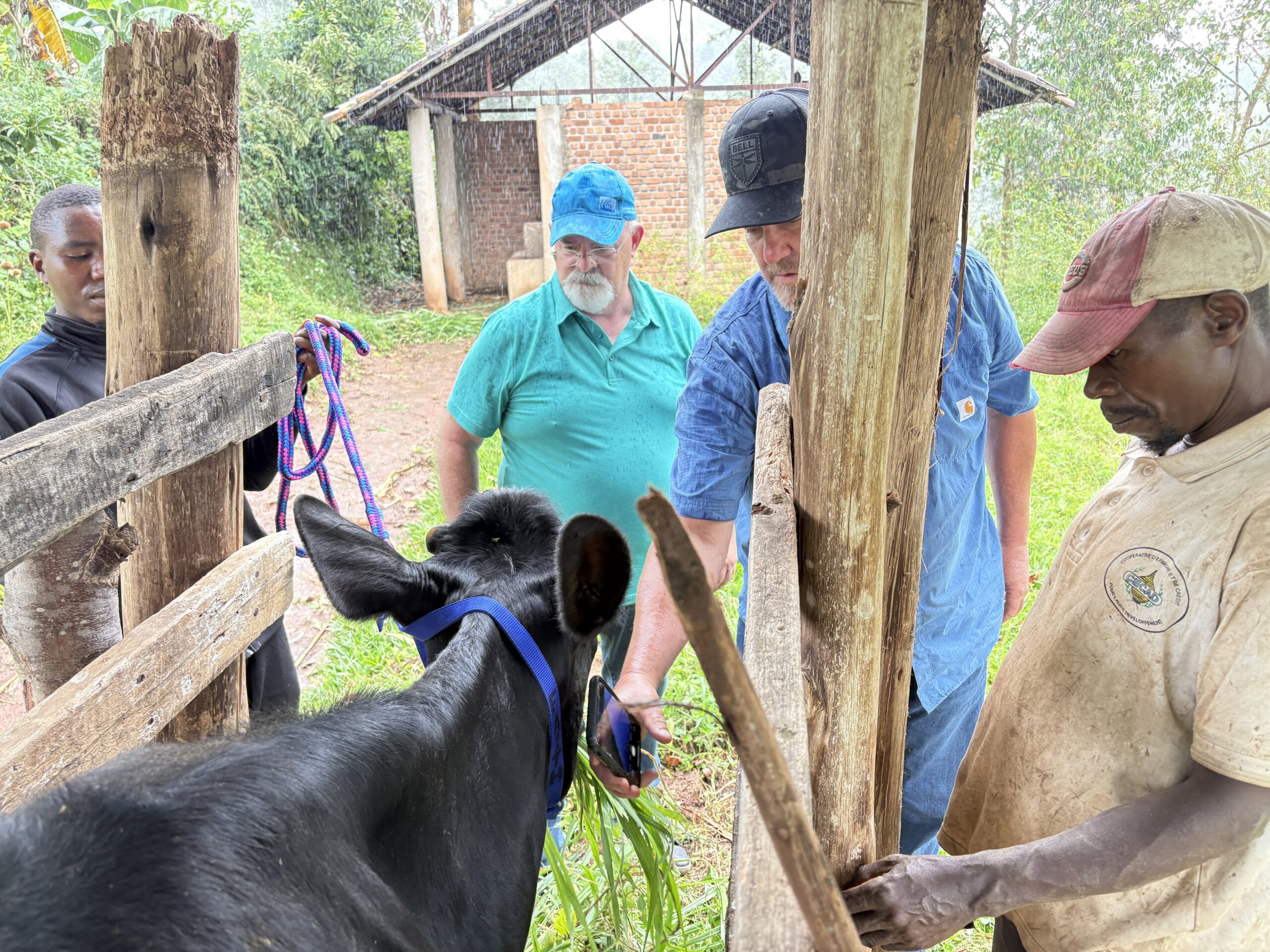
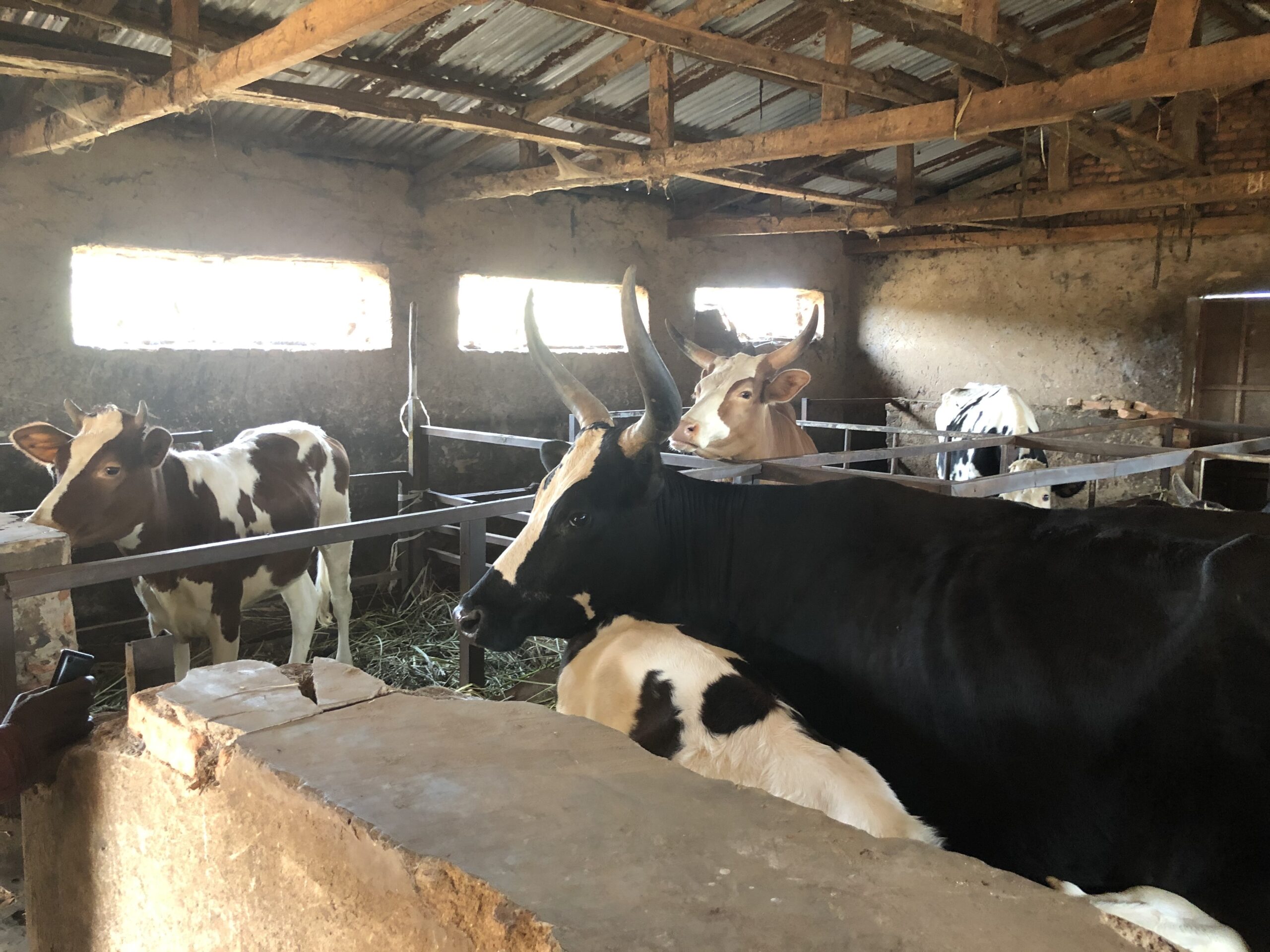
One of these sustainability projects is to begin a small dairy with the purchase of a cow. This is a small step but is in a positive direction. A quality dairy cow for sale is hard to find as you might imagine in a country struggling with malnutrition. And they are expensive at ~$1500 / head. We are working to help the orphanage raise these funds through matching contributions, taking into consideration the limited earning power of a Burundian. So, if you’d like you can help buy a cow.
Or, maybe your expertise is in regenerative agriculture, infant care, or other aspects of both orphanage operations and sustainable farming. Perhaps the most beneficial thing you can give is your time and expertise. We would welcome the opportunity to help make this a reality.

Looking to get something started?

Looking for a
way to get involved?
Contact
We’d love to hear from you!
Whether you have a current project in the work or a strategic partnership in mind, this is the best way to get the ball rolling with Tapestry. If you have a question or need some more basic info, we’re here for that too. Just fill out the brief form and we will get something scheduled!