
Gakwende, Burundi: Orphanage
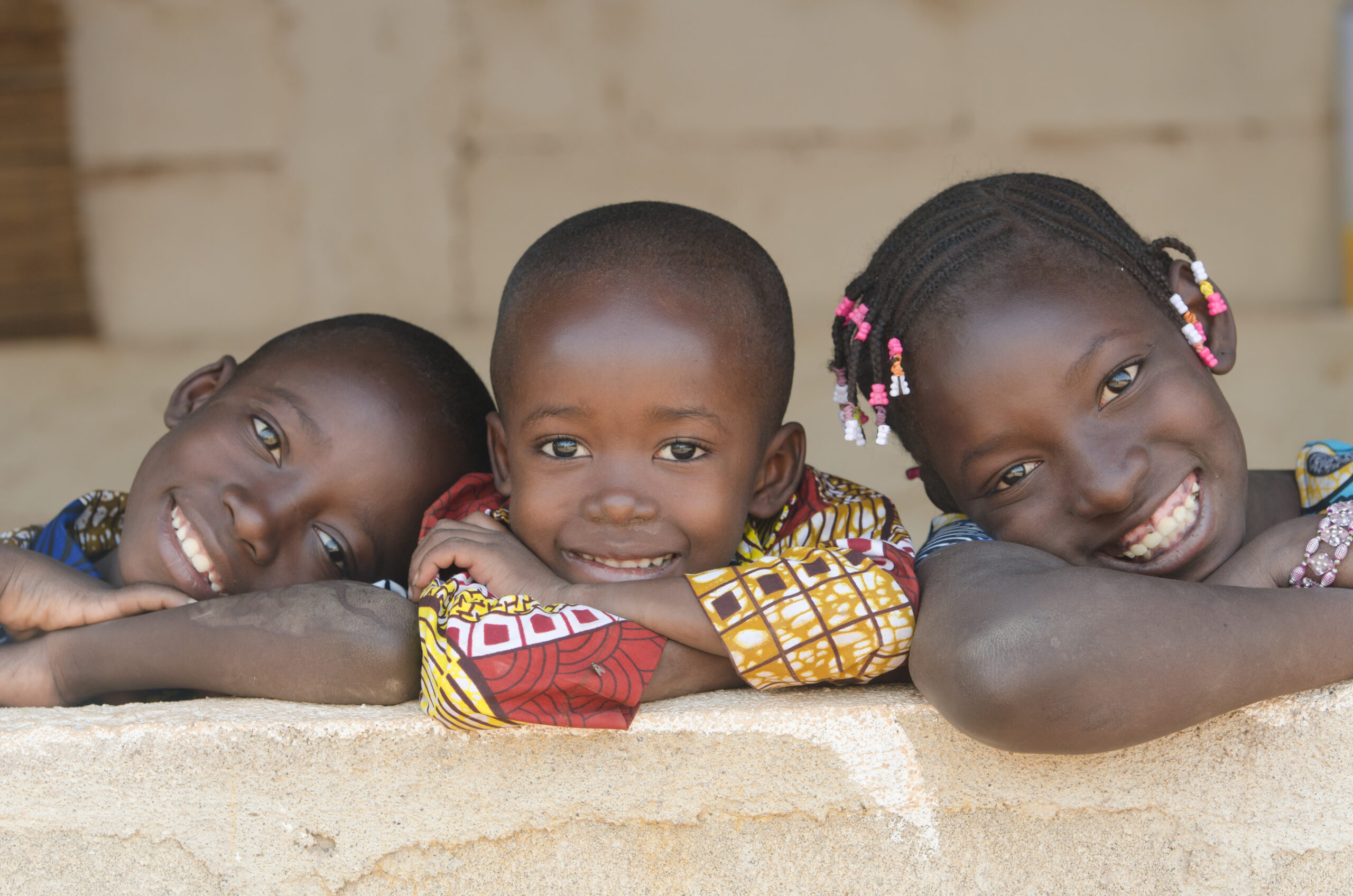
The people of Gakwende, Burundi are working to find another way and live life differently as they overcome the physical challenges they face.
I have a cousin with Arthrogryposis Multiplex Congenita (AMC), a rare congenital condition which doctors describe as “characterized by multiple joint contractures, which are limitations in joint movement due to muscle and tendon stiffness or shortening. It can affect any joint, though the most commonly involved areas are the elbows, knees, wrists, and hips.” While the severity of AMC varies widely, in his case doctors said he would never walk. Little did they know. He not only walked but is an avid outdoorsman who loves to hunt. He recently retired from a very successful career in communications for the Oklahoma Wildlife Department.
He and I had lunch recently where we talked about a wide range of things, including his attitude toward life. There are two phrases that summarize his life. But to fully understand, you need to know more about how this “condition” presents in his case. After many surgeries he can walk, although it puts a lot of pressure on his lower back. His falls, both in number and in severity, are legendary. His arms are permanently bent at the elbow and the wrist. His fingers do not have working retractor muscles. Yet while he cannot squeeze the trigger on a rifle, he is an avid and successful hunter. Buttoning a shirt, zipping a zipper, holding a hammer, firing a shotgun, anything that requires you to use fingers that grip or pull have all required developing some sort of accommodation or technique. He and his father would study the situation and figure it out. Their guiding rule was, “find another way.” Obstacles were to be overcome, not to be allowed to overcome him. He has, to use his phrasing, “lived life differently.”
Meet his counterparts in Gakwende, Burundi who are working to find another way and live life differently as they overcome the physical challenges they face. Everything from deformities caused by parasites to severe orthopedic limitations. These children come from homes where the families don’t have the capability to help them find their unique way in the world. So, the staff at Gakwende, with the support of the same Swedish Pentecostal church in Kiremba that operates the orphanage for infants from maternal mortality events, step in to provide the support these children need and operate a K-12 school where they are taught a trade as well as traditional school subjects.
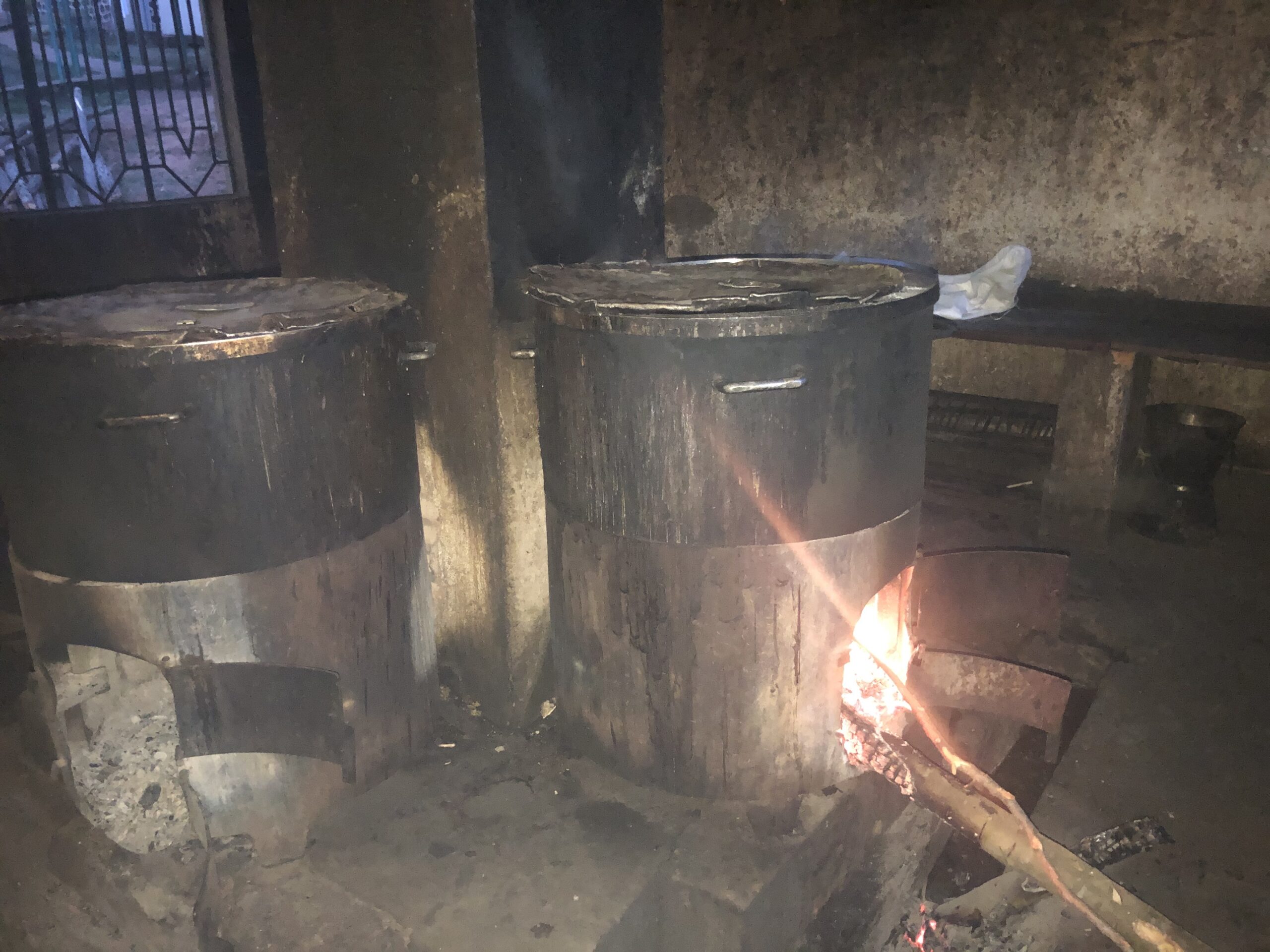
This is the kitchen at the Gakwende Orphanage.
How are we partnering?
We are partnering with Patrick, the director of the orphanage, as he seeks to make the orphanage self-sustaining and a positive contributor to their community as well as the home communities of these children. Patrick is working to utilize the agricultural resources of the orphanage to grow food not only for the orphanage but also for the community as he seeks to develop regenerative agricultural techniques that improve the productivity of these assets and can serve as a model for farmers in his region. Additionally, a small business (what we might call a convenience store, but more like your Walmart Supercenter in their setting) is being developed, along with sewing and basket weaving products made by the students. At the end of their time with the school, these students are each gifted a sewing machine so they can continue in their trade and begin supporting themselves.
We are working with Patrick to: further develop his strategic plan for accomplishing the vision of the school; to help fund the establishment of key agricultural infrastructure and livestock (tools, fertilizer, chickens, sheds, etc); and working to identify and resolve barriers to the success of his students. We hope to futher identify other trades that may be taught to broaden the opportunities for these students.
Of course, there are also significant needs as each of these children has his or her own set of challenges, such as needed surgeries, on-going medical treatments, custom adaptations, and the development of the whole person.
How can you help?
As you can imagine, these are costly services to provide with substantial unknowns as each child has unique circumstances and treatment plans. While we focus on developing local capacity and not dependence, this will require significant time to develop while these pressing needs must still be met. You can give to “remodel” facilities, like the kitchen pictured here, that have suffered neglect due to the lack of funds; to establish breeding stock of pigs and chickens; to implement regenerative farming techniques; and any number of other basic needs.
Or perhaps you can give of your time and expertise to help establish a medical clinic, to teach regenerative farming, train tailors and seamstresses, develop fashion products, or maybe you have what it takes to teach coding and develop a computer lab in the remotest part of the poorest country on earth. Maybe you feel the call to live life differently as you help these children find another way.

Looking to get something started?

Looking for a
way to get involved?
Contact
We’d love to hear from you!
Whether you have a current project in the work or a strategic partnership in mind, this is the best way to get the ball rolling with Tapestry. If you have a question or need some more basic info, we’re here for that too. Just fill out the brief form and we will get something scheduled!